
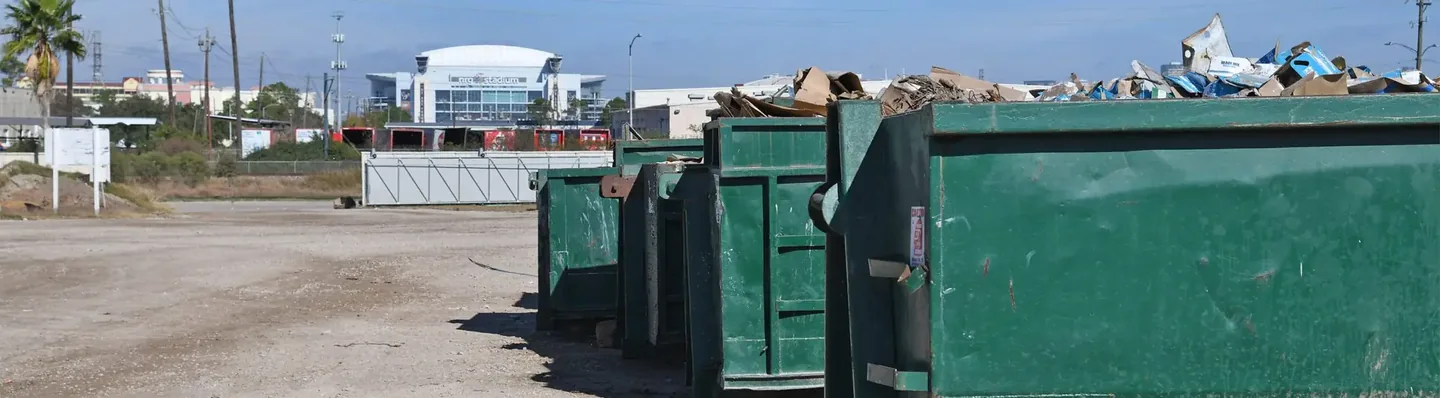
Construction waste disposal in Houston
Construction waste disposal in Houston starts with the material in your truck. Plan a commercial debris drop-off at Neuens Road or Holmes Road, or arrange a jobsite dumpster when you need a container.
Choose the waste stream before the receiving yard
A commercial demolition or renovation can produce several different loads: framing lumber and drywall, metal fixtures, broken concrete, asphalt pavement, packaging and materials that need special handling. Treating everything as one pile makes it harder to choose the right destination. Start with what the waste contains, how it was generated and whether heavy materials have been kept separate.
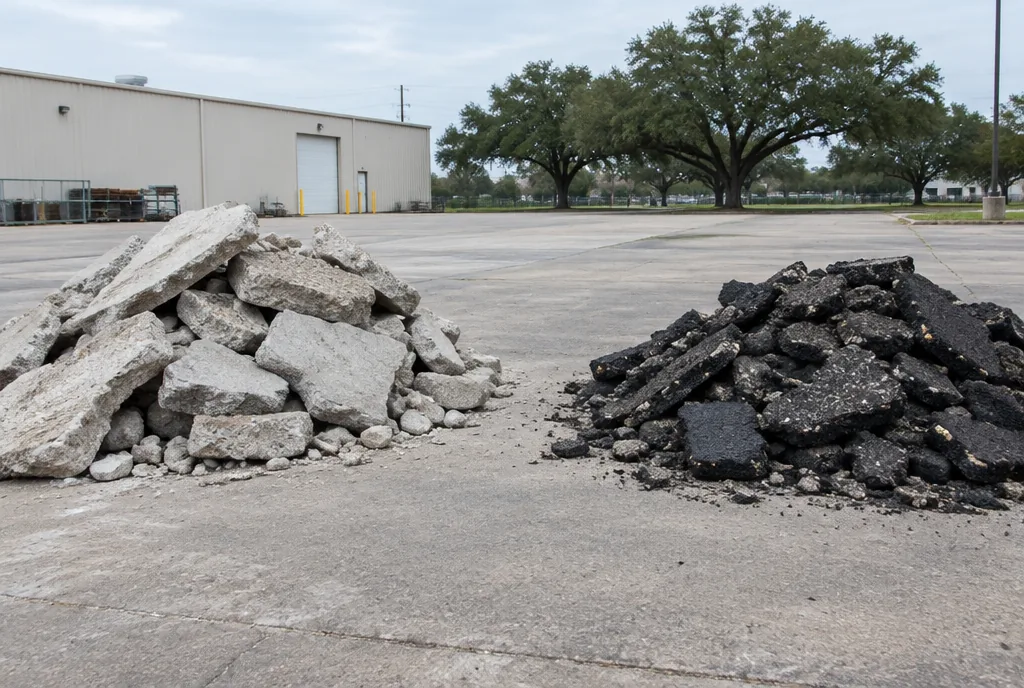
For a mixed building-debris load, describe the main materials and anything unusual before dispatching the truck. For concrete and asphalt, keep the mineral material separate from wood, drywall and trash so it can be considered through the appropriate receiving operation. Dirt, roofing shingles and regulated materials do not become acceptable simply because they came from a construction site.
The materials guide distinguishes qualifying mixed C&D from separate heavy-material requests. If your crew has already loaded a trailer, give the same clear description you would use at the receiving yard. A photograph and a list of the contents help explain a complicated load and give the receiving team a clearer basis for its instructions.
Two Houston locations for contractor loads
Neuens Road in northwest Houston
DW Companies receives qualifying waste at 9461 Neuens Road, Houston, TX 77080. Start with the material, vehicle or container and approximate quantity. Arrange the receiving details before arrival so the driver has the right destination and instructions. The Neuens Road location page brings the address, operator contact and trip-planning information together.
Holmes Road in south Houston
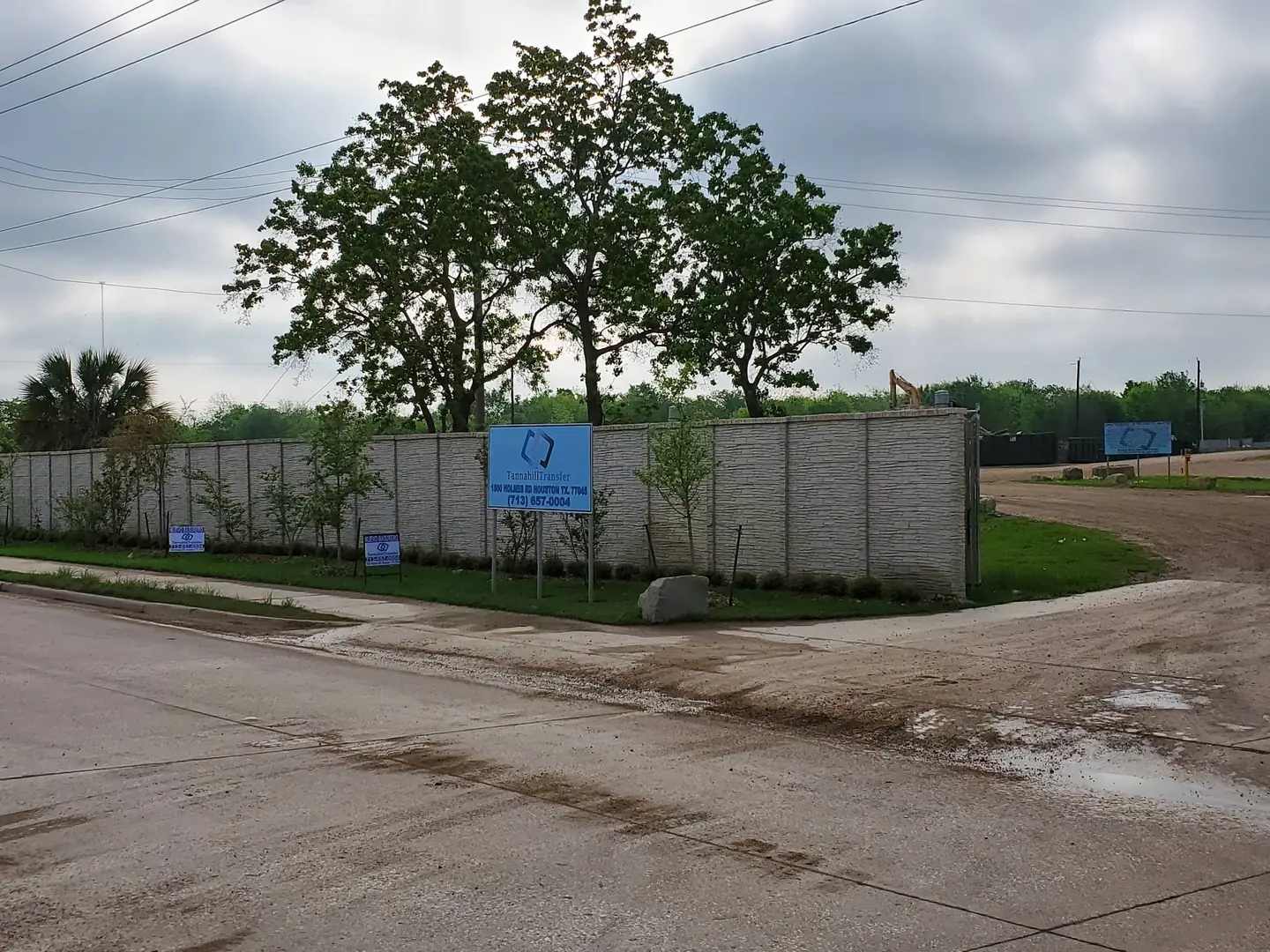
Tannahill Transfer Station at 1800 Holmes Road, Houston, TX 77045 receives qualifying mixed construction and demolition debris. Published receiving hours are Monday through Friday, 7 a.m. to 5 p.m., and Saturday, 7 a.m. to 1 p.m.; the station is closed Sunday. Plan the trip around receiving instructions and the load you are bringing, rather than assuming the last posted minute is a suitable arrival time.
Concrete and asphalt at the shared Holmes facility belong to the separate Houston Crushed Concrete receiving operation. Keep those heavy-material loads separate from Tannahill’s mixed-C&D stream. Use the Holmes Road guide to distinguish those paths, or compare both destinations on Houston drop-off locations.
Plan commercial demolition and renovation debris
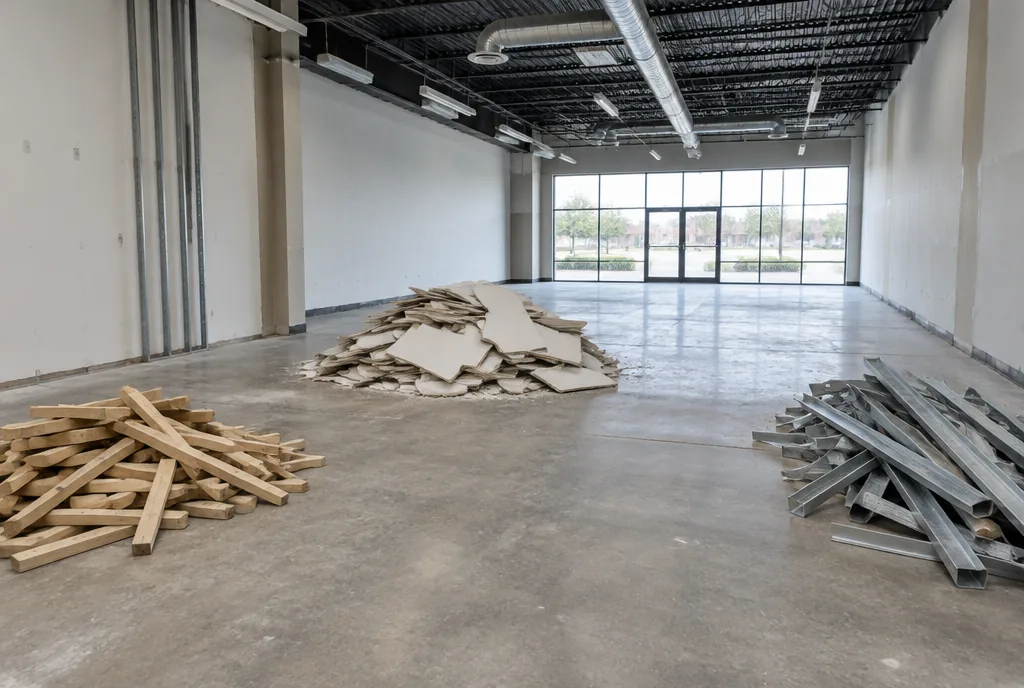
Building demolition, tenant improvements, retail alterations, warehouse refurbishment and roadway work all create disposal decisions. The project name alone does not determine where the waste belongs. A concrete slab removal has different handling needs from an office strip-out containing drywall, timber and metal framing. A road project can produce pavement, soil and other streams that need separate consideration.
For demolition debris, identify the materials that can be separated before mechanical loading begins. For commercial renovation waste, organize the debris as trades move through the space and keep the collection area accessible. The aim is a load that can be described accurately, transported appropriately and presented to the right receiving operation.
Industrial-building work needs the same distinction. Ordinary building materials from a warehouse renovation are different from chemicals, process residues, oils or sludges. The industrial renovation planning guide explains how to keep those questions separate. Keep ordinary building debris separate from process residues so each stream follows the appropriate handling and receiving route.
When a dumpster supports the job
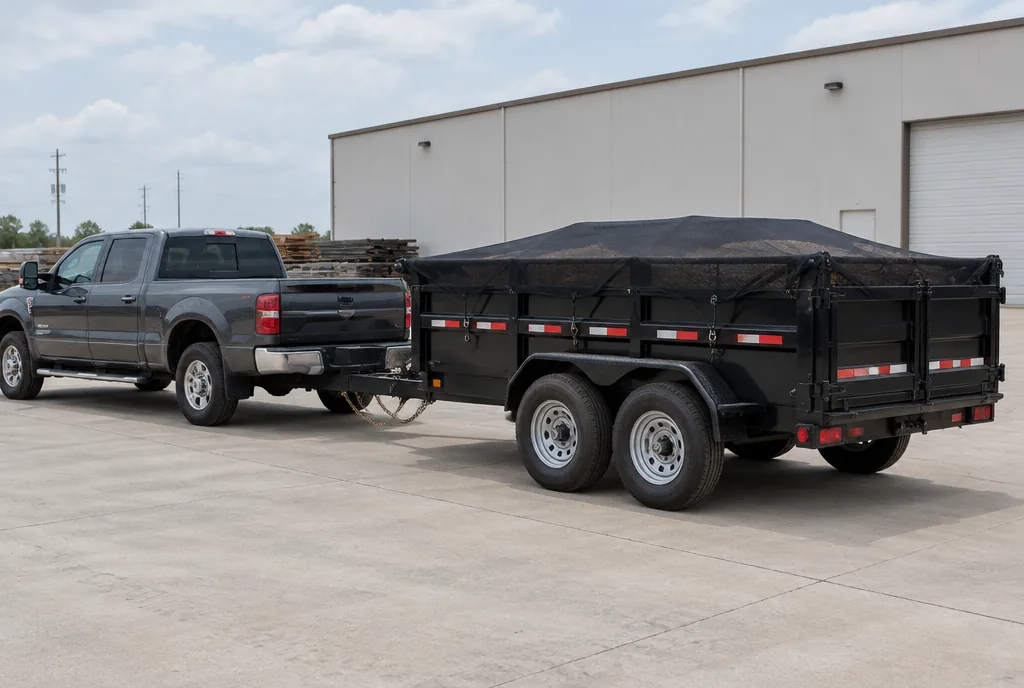
A crew with a suitable truck or trailer may prefer to bring its own qualifying debris. A project without that transport arrangement may need a roll-off container delivered to the jobsite. A dumpster also gives different trades a defined collection point while work continues.
Compare the time spent loading, hauling and returning to the job against container placement, collection access and the expected waste stream. A larger container is not permission to load dense material without limits. Concrete and dirt require a designated setup for rental requests; mixed demolition debris needs its own material description.
Commercial dumpster rental is available as a separate quote path. Give the project ZIP, material, expected timing and placement details. For the cost and workflow tradeoffs, use self-haul versus dumpster rental. Loading labor is not automatically included with a container request.
Build a useful disposal quote
A useful quote starts with more than “one load.” State whether that means a dump trailer, a roll-off, a pickup or another commercial vehicle. Describe the material and approximate amount, then add the preferred receiving location and timing. A building demolition with several loads needs a different discussion from a single small renovation trip.
- Material: wood, drywall, mixed C&D, separated concrete or another clearly described stream.
- Quantity: an approximate volume, load count or dimensions, with the vehicle identified.
- Project: where the material came from and anything mixed, coated, wet or unusual.
- Destination and timing: Neuens Road, Holmes Road or help choosing a location.
- Contact: a reachable person who can answer load questions and coordinate the driver.
Material, quantity, handling requirements and the service requested determine the information needed for your quote. See construction waste disposal costs for a practical explanation of those inputs.
From loading area to receiving yard
Make the receiving plan before the driver leaves. Confirm that the intended operation can consider the described load, establish the arrival instructions and communicate those details to the person hauling it. Keep the contact information available in the cab rather than leaving it only with the project manager.
Use a vehicle suitable for the load and follow its rated limits. Contain and secure debris for transport; keep the receiving area clear of loose material when opening a door or tailgate. At the destination, check in and follow staff directions before unloading. The Holmes facility specifies personal protective equipment; review that guidance before the trip.
If the next load has different material, do not assume the first discussion covers it. A trailer of wood and drywall and a trailer of concrete are different receiving questions. Plan multiple loads around the project phases, and use the drop-off preparation checklist for the driver handoff.
Material separation changes the disposal plan
Construction and demolition debris, often shortened to C&D, describes the source of the material. It does not guarantee that every receiving yard accepts every component. Drywall is gypsum board, timber may have finishes or attachments, and concrete can contain reinforcing steel or attached debris. Those details matter when describing a load.
Source separation means keeping a material stream apart at the jobsite. It can preserve options for concrete, asphalt or other recoverable material instead of mixing everything into a general debris load. The benefit depends on the receiving operation, contamination and the practical space available on the project. A separate pile without a confirmed destination is only the beginning of a plan.
Review how to separate construction debris and how to estimate a load before setting up the collection area. Keep volume estimates separate from weight and vehicle capacity. Those are different measurements, and a small-looking dense load can still be unsuitable for the chosen equipment.
Give the driver a clear receiving plan.
Identify the waste stream.
List the material, its source, approximate quantity and vehicle or container.
Choose the receiving path.
Resolve the destination, quote and instructions for the actual load before dispatch.
Check in before unloading.
Give the driver the receiving contact and follow the facility’s directions.
Answered Questions
Can I bring my own construction debris without renting a dumpster?
Yes. Customer-hauled commercial construction waste is the primary request path here. Describe the material, vehicle and approximate quantity, then arrange receiving instructions for Neuens Road or Holmes Road before the trip.
Does commercial waste include every material from an industrial project?
No. Ordinary building debris and industrial process waste are different streams. Keep chemicals, oils, sludges and regulated materials out of an ordinary construction-debris load, and identify the source and composition of materials before choosing a destination.
Can concrete go to the same operation as mixed demolition debris?
Concrete and asphalt need a separate receiving discussion. At the shared Holmes facility, Houston Crushed Concrete handles those requests separately from Tannahill’s mixed-C&D operation. Keep heavy mineral material apart from wood, drywall and general debris.
Does submitting the form book an arrival slot?
No. The form requests a disposal or rental quote and the relevant receiving information. Acceptance, price, timing and any arrival arrangements must be confirmed for the actual load.
Put a receiving plan behind your next load.
Share the material, approximate quantity and preferred location to request disposal instructions and a quote.